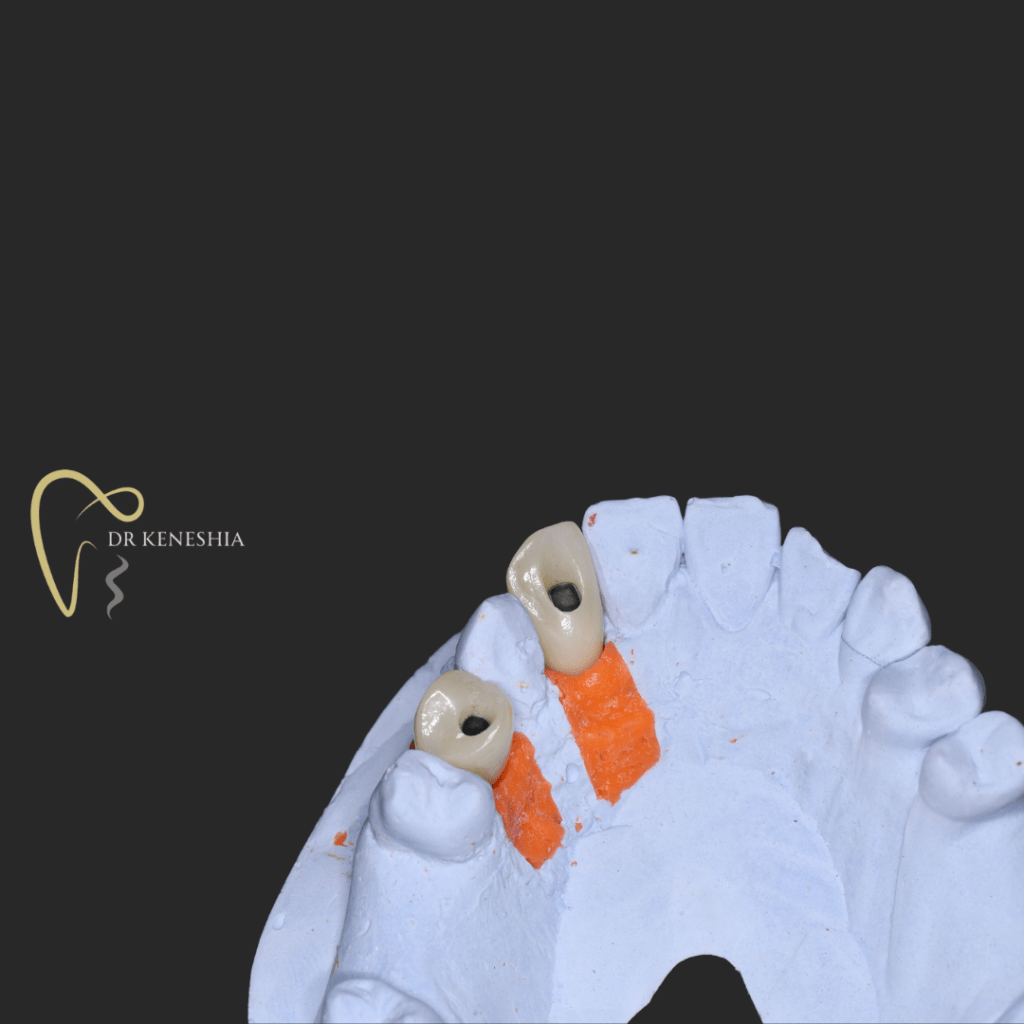
Dental implants offer several advantages and disadvantages, which can vary depending on individual circumstances and preferences. Here’s an overview:
Advantages of Dental Implants:
- Natural Appearance: Implants look and feel like natural teeth. They are designed to blend seamlessly with your existing teeth, providing a natural appearance.
- Durability: With proper care, dental implants can last for many years, even a lifetime. They are a long-term solution to tooth loss.
- Improved Speech: Unlike dentures, which can slip and cause speech problems, implants allow for clear speech without worrying about teeth slipping.
- Comfort: Implants become a permanent part of your mouth, eliminating discomfort often associated with removable dentures.
- Improved Eating: Implants function like your own teeth, allowing you to eat your favorite foods with confidence and without pain.
- Preserve Adjacent Teeth: Unlike dental bridges, which may require adjacent teeth to be shaved down, implants do not affect nearby teeth, preserving their integrity.
- Bone Health: Implants stimulate jawbone growth and prevent bone loss that can occur with missing teeth.
Disadvantages of Dental Implants:
- Cost: Dental implants can be more expensive than other tooth replacement options, such as dentures or bridges. Costs can vary widely depending on factors like the number of implants needed and any additional procedures required.
- Surgical Procedure: Implant placement involves a surgical procedure, which carries risks such as infection, damage to surrounding structures, and discomfort during the healing process.
- Time-Consuming: The entire process of getting dental implants can take several months to over a year. It involves multiple appointments and healing periods between different stages of treatment.
- Not Suitable for Everyone: Some individuals may not be suitable candidates for dental implants due to insufficient bone density or other health concerns.
- Potential Complications: While rare, complications such as implant failure, nerve damage, or sinus problems can occur.
- Maintenance: Implants require good oral hygiene and regular dental visits for maintenance. Neglecting oral care can lead to complications like peri-implantitis (inflammation around the implant).
Conclusion:
Dental implants are generally considered the gold standard for replacing missing teeth due to their natural look and durability. However, they may not be suitable for everyone, and the decision to get implants should be made in consultation with a qualified dental professional who can assess your individual situation and discuss the potential benefits and risks.
 DrKeneshia DMD
Leave a comment