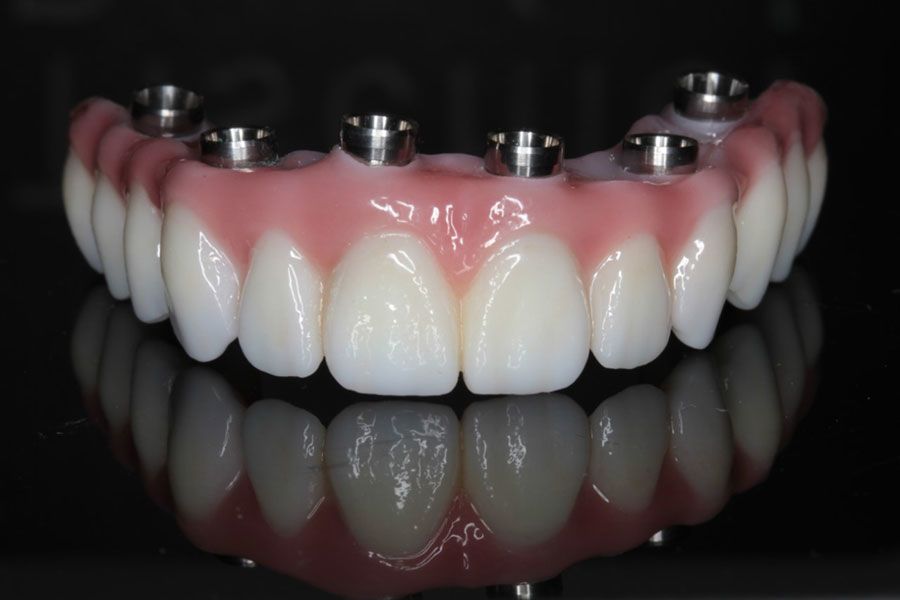
Preparing for dental implant surgery involves several steps to ensure the procedure goes smoothly and you have a successful recovery. Here are some key preparations you should consider:
1. Consultation and Planning:
- Dental Examination: Your dentist or oral surgeon will conduct a thorough dental examination, including X-rays and possibly CT scans, to assess your oral health and determine the best placement for the implants.
- Treatment Plan: Discuss the treatment plan with your dentist or oral surgeon, including the number of implants needed, the type of implants, and any additional procedures required (such as bone grafting).
2. Medical Evaluation:
- Medical History: Provide a comprehensive medical history, including any medical conditions you have, medications you are taking, and any allergies or previous surgeries.
- Health Assessment: Undergo a general health assessment to ensure you are fit for surgery. This may involve blood tests and other diagnostic tests as recommended by your healthcare provider.
3. Oral Hygiene:
- Pre-surgery Dental Cleaning: Ensure your teeth and gums are in good condition by undergoing a professional dental cleaning before the surgery. This reduces the risk of infection.
- Oral Care Routine: Maintain a good oral hygiene routine leading up to the surgery. Brush your teeth twice daily, floss regularly, and use an antibacterial mouthwash as recommended by your dentist.
4. Lifestyle Adjustments:
- Quit Smoking: If you smoke, consider quitting or at least reducing smoking before and after surgery. Smoking can interfere with healing and increase the risk of complications.
- Alcohol and Medications: Avoid alcohol for at least 24 hours before surgery. Also, discuss with your dentist about any medications you are taking, as some may need to be adjusted or temporarily stopped.
5. Pre-surgery Instructions:
- Fasting: Follow fasting guidelines provided by your dentist or surgeon, especially if you will be under general anesthesia or sedation.
- Transportation: Arrange for transportation to and from the surgery, as you may not be able to drive yourself home afterward if you receive sedation.
6. Post-surgery Arrangements:
- Recovery Plan: Plan for your post-surgery recovery, including rest and any necessary time off work or activities. Follow your dentist’s instructions for pain management and care of the surgical site.
- Diet: Plan to eat soft foods immediately after surgery, as chewing may be difficult. Stock up on nutritious soft foods like yogurt, soups, and smoothies.
7. Support System:
- Supportive Care: Arrange for someone to accompany you to the appointment and help you at home during the initial recovery period, if needed.
Conclusion:
By following these preparation steps, you can help ensure a smoother dental implant surgery and optimize your chances for successful implant placement and healing. Always communicate openly with your dental care team and follow their recommendations closely for the best outcome.
 DrKeneshia DMD
Leave a comment